Wildlife observation is often associated with distant parks and rare species, but many of the most rewarding encounters happen close to home. A familiar woodland edge, riverside path or meadow can reveal much more when it is walked slowly and repeatedly.
The skill is less about identifying everything immediately and more about noticing patterns. Which birds appear near open grass? Where do tracks cross a muddy section? At what time does a quiet path become active? Returning to the same place teaches these details in a way that a single spectacular outing rarely can.
Walk more slowly than feels necessary
Movement is one of the easiest things for animals to detect. A slower pace gives you time to scan tree lines, hedges and open ground before you enter them. It also makes sound more useful. Rustling leaves, alarm calls and sudden silence can all point toward activity that is difficult to see at first.
Stopping for a minute is often more effective than continuously searching. Once your own footsteps and clothing become quiet, the surrounding soundscape becomes clearer. Birds resume calling, insects become noticeable, and small movements stand out against a still background.
Look at edges and transitions
Animals frequently use boundaries between habitats. The edge of woodland beside a field, reeds along open water, or a line of shrubs between gardens can offer food, shelter and a clear route through the landscape. These transition zones are excellent places to pause.
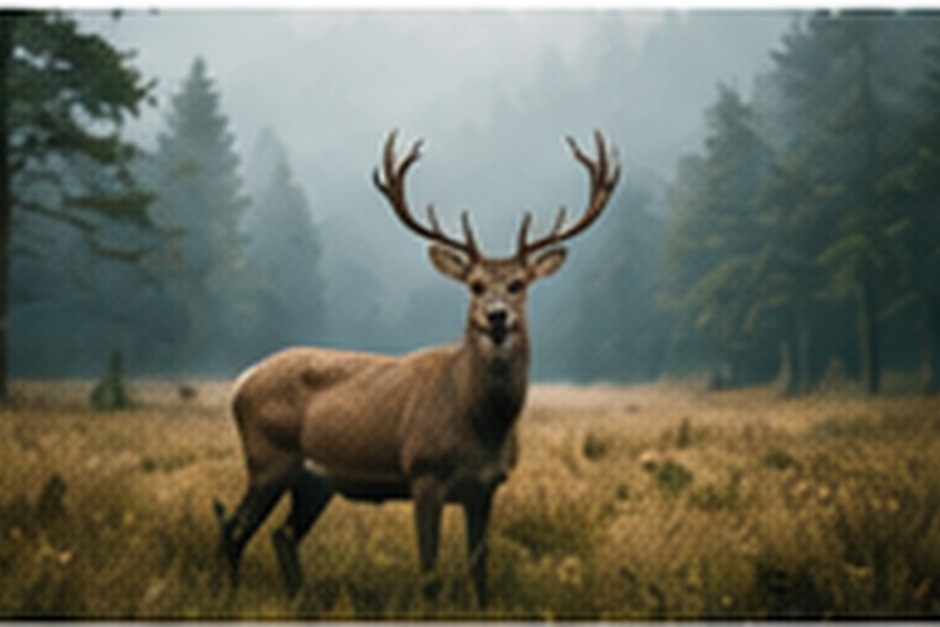
Light helps too. Low morning or evening sun can reveal movement and texture that disappear at midday. A deer standing near tall grass may be almost invisible in flat light but obvious when its outline catches the sun.
Notice signs, not only animals
Tracks, feathers, grazed plants, nests and small paths through vegetation all tell a story. Learning a few common signs can make a walk interesting even when no animal appears. A line of prints in soft ground may show where wildlife crossed hours earlier, while bark marks or disturbed leaves can reveal regular routes.
A small notebook is useful if you enjoy recording observations. Note the date, weather and location rather than trying to produce a perfect species list. Over time, those simple notes can show seasonal changes and recurring patterns.
Keep distance part of the experience
Good observation does not require getting close. Watching from a respectful distance usually produces more natural behaviour and a longer encounter. Binoculars can make a large difference on open ground, but even without them, patience is often enough.
Repeated local walks also reduce the urge to chase every sighting. When you know you can return next week, there is less pressure to force an encounter. The landscape becomes familiar, and wildlife becomes one part of a larger picture that includes weather, plants, sound and season.
That is the quiet pleasure of noticing wildlife close to home. An ordinary route becomes layered with small clues, and a walk that once felt repetitive starts to change from day to day. The more familiar the path becomes, the more there is to see.